
Buying a treadmill often feels like walking into a marketing trap: It’s big and shiny and has loads of buttons on the console but under there is a chassis constructed to fold and a motor suitable for short sprinting bursts, not long hours grinding out miles. What you want is a silent, gliding ride; what most bargain shoppers get is a rickety, rattling beast that shakes itself to pieces within half a year. But just because they are solidly constructed doesn’t mean they cost a fortune.
A few manufacturers realized that they can still produce reliable machines for fitness folks on a budget by cutting back on the extra stuff. They don’t need expensive heart rate monitors or built-in tablets instead, they place their money where it matters most. They have stronger motors, better frames and more durable deck.
Key Features for Solid Bargain Treadmills
Understanding Motor Power Ratings
There’s a lot of noise on specs, so you want to know which matter and which don’t. You want a treadmill that won’t flex or wobble under the load you put it through, i.e., your weight combined with how hard you run. It needs to take impact well which protects your knees and keeps the sound down.
A good treadmill will absorb impact, while a flimsy one shoots the impact right back at your shins and irritates everyone in the household. When considering the motor size, go beyond the listed peak horsepower. Peak horsepower (a sales figure) tells you how much power the motor produce for a split second, and that’s no indication of sustained power.
The continuous horsepower rating tell you how hard the motor can work over time. If you’re just going to walk occasionally, 2.0 CHP should suffice; however, if you intend to run or jog frequently, shoot for 2.5 to 3.0 CHP or more. Less than this and the motor will stutter or overheat when used continuous.
Frame Construction and Deck Size
Stiff Frame… Many affordable treadmills is made from light-weight steel tubing, but this means they flex when you land hard which throws off the alignment of the belt and wears it down unevenly and makes a rattling noise too. Seek something with a thickened steel frame or a reinforced rear deck.
The mid-range machines from brands like Sunny Health & Fitness or Horizon Fitness (Horizon Fit 3.0 or SF-T7602) use heavy gauge steel and feel planted running, another big comfort and safety factor. Make sure it has plenty of space for your stride: Deck length should be at least 55-inches long (for most adult) and 60-inches if you’re really tall or have an extra-long stride. Anything shorter will require you to reduce your stride; which can lead to injury and poor form.
Also, your feet should have room to naturaly fall on the deck. So make sure the deck isn’t too narrow. At minimum, I’d say the deck should be about 20-inches wide.
That way, even when you lose focus or get tired, your feet won’t go outside the lines.
Checking Warranty Coverage

Pay close attention to warranty, If it doesn’t include a lifetime warranty on the frame and motor, there’s probably something wrong with it. A company that backs its treadmill with a solid warranty is betting on its durability.
Cheap imports often offer only one year of coverage on everything. They know it won’t hold up. They only give a year or less on all parts, which tell me they’re expecting it to die shortly after purchase.
Some companies also restrict their motor warranty to the original purchaser reducing resale value. Read the fine print and ask around. Solid warranty equals solid build quality in the inside.
Maintenance and Lubrication
Maintaining a treadmill. Regardless of cost, maintenance is non-negotiable! To minimize friction between the deck and belt, use a silicone-based treadmill lubricant.
(Avoid using household sprays.) Lube the belt every few months, failure to do so will wear both the belt and your motor down prematerly. Every few months: For 10ish minutes each time, check belt alignment and tension. Tighten the adjustment bolts just enough if the belt begins drifting to one side.
Keeping a budget treadmill in proper working order ensures smooth operation for years.
Buying Used Treadmills
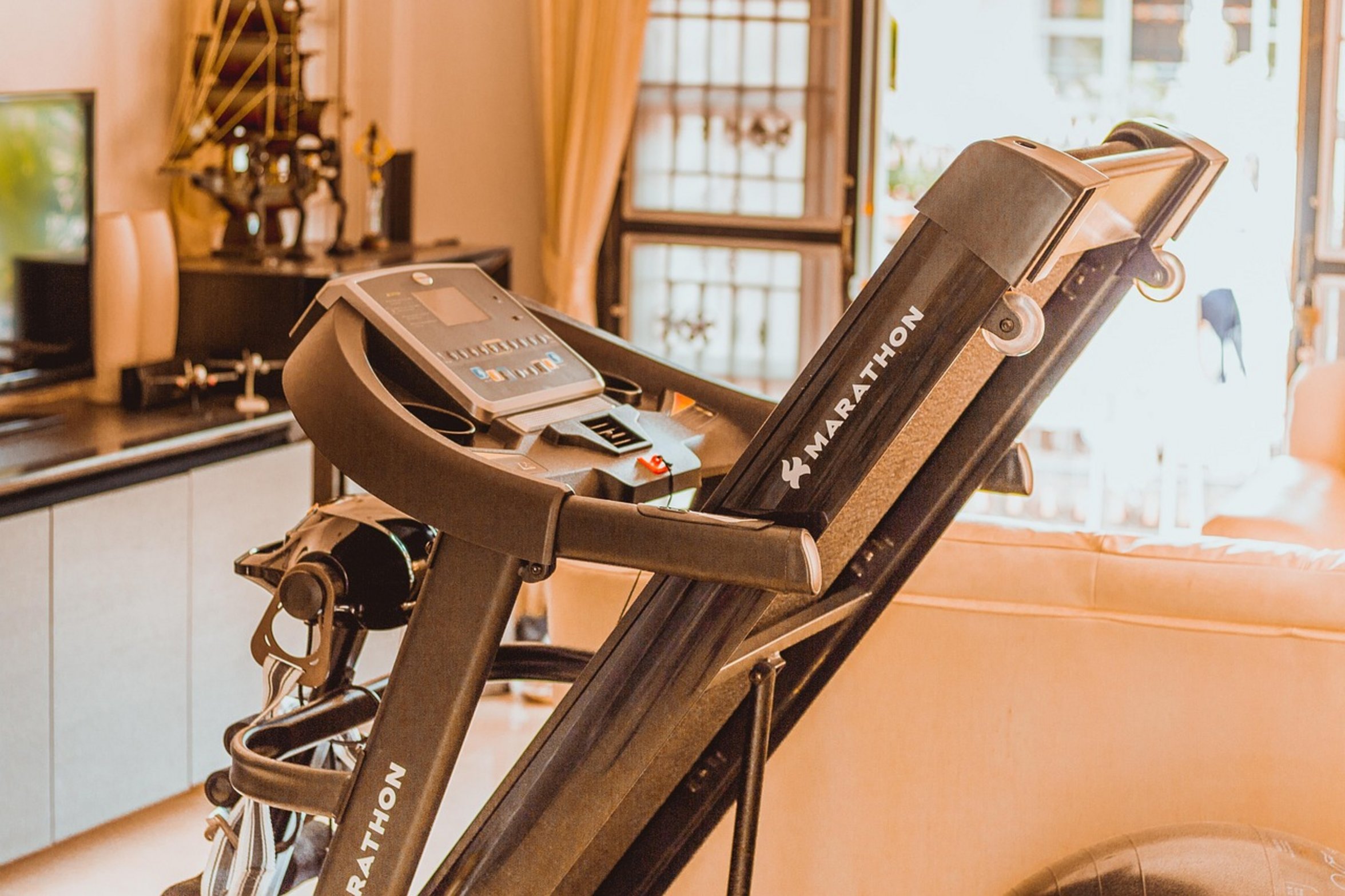
Another path to a decent deal on a good machine is to shop for used. Many folks purchase an expensive treadmill (NordicTrack or Sole, for example), only to use it for a year before selling it.
You can often find these lightly used machines for half the retail price. Make sure the motor hums quietly and test the belt for signs of wear. Also, make sure the motor doesn’t heat up when you’re running at faster paces.
It’s often true that a used expensive model will perform better then a new cheaper unit since they were built with quality components initially. In sum: A quality treadmill remains a useful device. Keep it basic, rugged, and dependable.
You don’t need extra features to run a mile. It helps if it doesn’t shake when you’re running but you do want something solid. Pay attention to the frame, the motor power, and the guarantee.
Leave the whiz-bang add-ons for somebody else. Invest in a piece of equipment that prioritizes structural integrity over features, and you’ve got yourself a lasting machine. Now that’s what I call a deal.
