
Enter the gym. You look at a shiny chrome bar lying on the rack. A good looker and it feel substantial in your hand; how much does it weigh?
Most beginner assume they just need to guess or ask someone nearby, OK if you’re hanging laundry, but not for lifting. Every time you want to row, curl and press, you’ll start with whatever the bar weigh. Get that wrong and your programming is skewed from day one.
Here’s the thing, it all depends off the bar. Every iron bar you grab won’t weigh exactly the same. Different standards exist between home gym, commercial gyms, powerlifting meets, etc. Unless you know what bar you’re grabbing, you might underestimate its weight.
Or worse, you might overestimate how much weight you can handles. You don’t want to hurt yourself by guessing incorrecty on the empty bar either. Any serious facility will have at least one of these, the good old Olympic barbell.
Understanding Standard and Home Gym Barbell Weights
Standard Olympic Barbell Specs
There’s a strict international spec for them and they’re made to be used with two hand, one on each end of the bar. An Olympic bar weigh forty-five pounds (or approximately twenty kilograms) and that means the total amount an athlete lifts can easy be calculated by adding known fixed numbers. If your bar has independent spinning sleeves, then yes, chances are high that it’s an Olympic bar.
Olympic plates is large and have a two-inch diameter hole to prevent them from slipping off the end of the bar during heavy lift. Bars is standardized as well with lengths typically about seven and a half feet long. This length provide enough space for the lifter and the plate while ensuring the bar bend correctly under load.
That bend (aka “whip”) isn’t a bug, it’s a feature! It allow the bar to snap up during explosive movements such as the clean or snatch. Another type of equipment that’s altogether different are the item found in home gyms.
Home Gym Barbell Standards
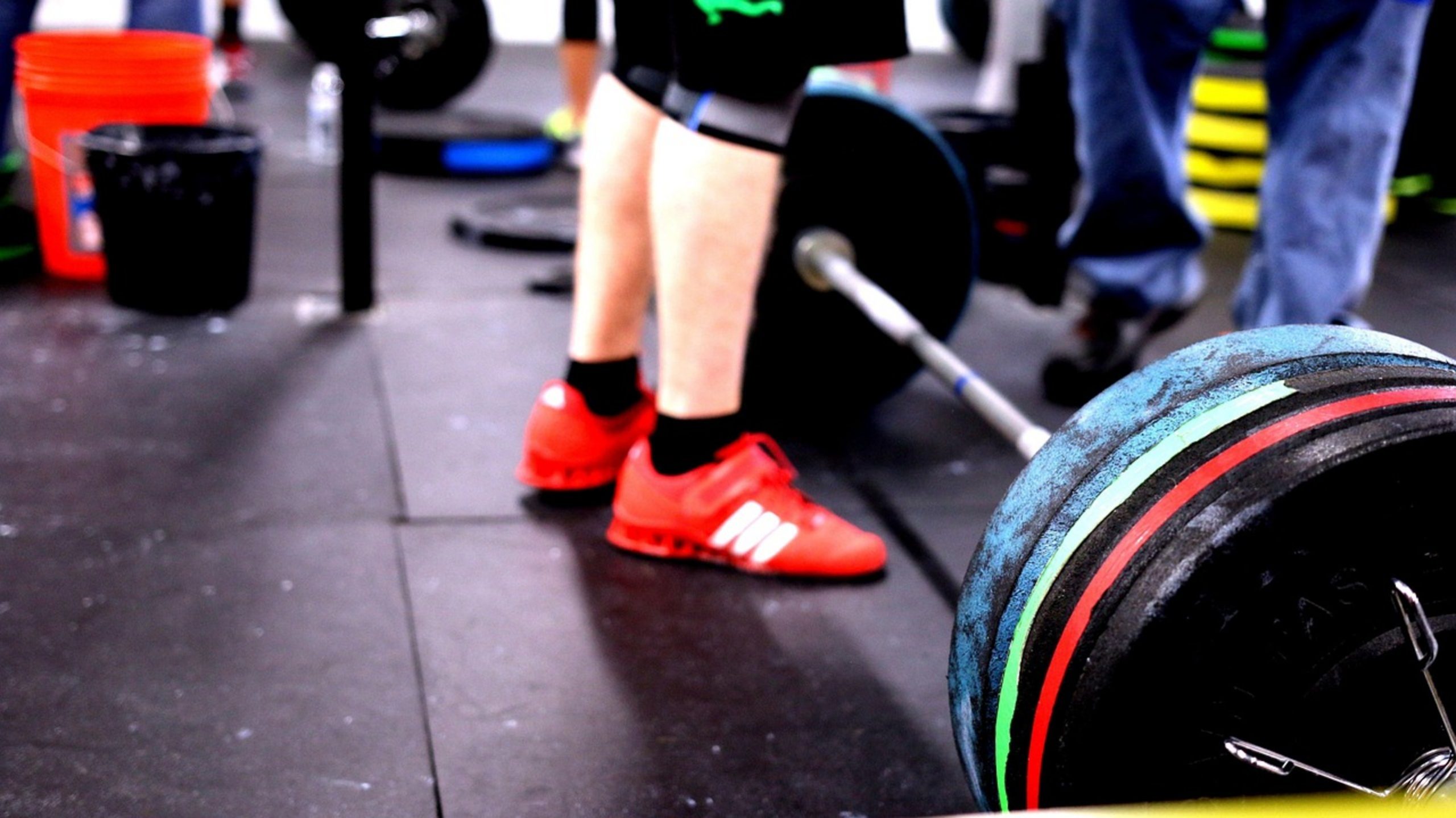
Generally speaking, your run-of-the-mill home gym barbell will weigh about fifteen to seventeen kilograms (thirty-five pounds). Commonly, these will be smaller-diameter bars which feel good for people with smaller hand. Also common is a one-inch hole diameter on plates used with these bar.
Again, this is what most folks do if they’re purchasing a set of plate for their home gym and plan to go the big box route. Hole size make a big difference. You can’t slip an Olympic plate on a bar at your house gym without a set of adaptors, nor would you want to try to slide a two inch plate over a one inch shaft.
That’s asking for some bruised knuckle and bent metal. The truth is most home gym are sold with prepackaged plate that fit their included bar. Before you purchase additional weight, measure the diameter of the bar sleeves in your manual (or if the bar doesn’t have a manual).
Using mismatched gear is not only a safety issue but also a waste of your hard-earned cash. Specialty bars is favored by some lifters who use them for certain lift.
Specialty Bars for Specific Lifts
For example, a curl bar has a reversed EZ shape and weigh about twenty to twenty-five pounds.
This minimize any wrist stress when doing overhead tricep extensions or bicep curls. A trap bar for hex deadlifts can vary significanty in weight, often ranging from thirty to eighty pounds depending on the brand and construction. Again, read the label on this stuff, they don’t play by the Olympic rules.
Why Bar Weight Matters for Tracking

Bar weight matter because it let you know where you’re at. If you’re tracking your lift, that means each time you lift the bar, you’re logging its weight too. Five reps at 45 pounds will feel like something different than five reps at 35 pounds.
It makes a difference if you compare yourself against previous years, or different gym. The more accurate you are with logging, the less likely you are to hit plateaus. It also make it easier for you to plan ahead long term.
Accurate Logging and Progress Tracking
First of all, know which bar you’re working with. If it’s in a commercial gym, look for the standard 45 pounds. If it’s at home, adjust accordingly; it’ll be a little lighter.
Whatever it is, the iron doesn’t give a damn how much you think it weigh. All it cares about is how hard you hit it. If you respect the numbers, they’ll help you lift more weight for a longer period of time.
You should of respected them earlier.
