
There’s a certain kind of guy you see using the leg press machine. There’s the newbie who stares blankly at sled with a confused look on his face. Then there’s the veteran lifter who loads up without care and winds up injuring his lower back.
Though it can be an effective way to develop lower body strength, it’s arguably one of the worst abused machines in gym. Even though you’re using your legs, it puts a lot of stress on your spine and knees so you don’t want to mess around here. The majority of folks think that heavy load is where the hard work comes into play with this exercise.
They think that machine stabilizes everything for them. That’s false. The machine takes away any balance requirement since movement path is fixed, but it doesn’t eliminate mechanical stress on your joints.
Use caution when performing the leg press and you’ll avoid lower back strain or other joint pain. You want to move a heavy weight safely so you can keep training without injury. Proper posture is key to good form.
Beginner Guide to Safe and Effective Leg Press
Common Leg Press Mistakes to Avoid
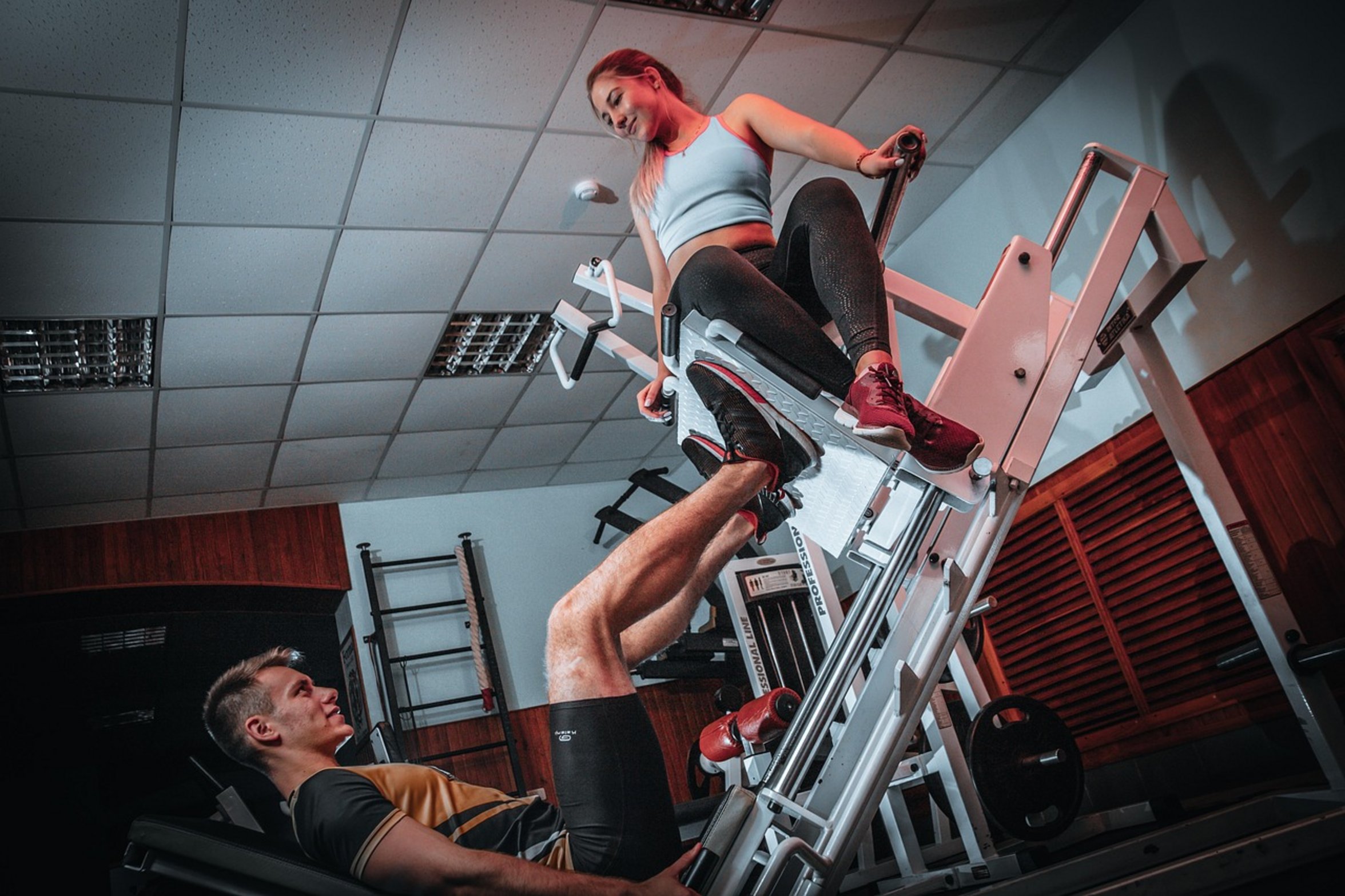
Start with your feet, which should be shoulder width apart, and center them on platform. Centered footing activate both your glutes and quads while avoiding unnecessary twisting on your knee joints. Too high?
Proper Foot Placement and Stance
Your lower back and hip flexors will get strained. Too low? Stress go straight to your knees.
Experiment until you find your sweet spot, although for most of us a middle stance is generaly safest. Newer lifters will mistakenly start with incorrect range-of-motion. Let the sled down so that your legs is bent about 90 degrees at the knees.
Safe Range of Motion and Form
If you go too far, you’ll pick your hips up off seat, called shearing, which shifts load from your muscles to your lumbar spine (not what you’re trying to do). Also, don’t lock out your knees at the end of each rep. A little bend in your knee absorbs any sudden impact forces.
You get more bang for your buck by using control instead of going as deep as possible. Begin with a lightweight sled (or no weight in the sled) and just weight of machine. It might feel light, but that’s how it should of feel when you begin.
Start Light to Build Motor Patterns
You want to set motor pattern, not show off. For the initial several weeks, concentrate on what exercise feels like. How does your core engage to maintain a flat back on the pad?
Where do you push off from. Your heels driving into the plate? If there is any pinching in your lower back, stop right away.
The weight isn’t the problem; your form are failing. Go slowly and increase the weight bit by bit. Only increase by small amounts if you’re able to perform sets in perfect form.
Don’t get caught up trying to lift big weights. Being able to lift large weights is a trap. Doing a heavy leg press with hip shear will lead to getting hurted.
Focus on Muscle Tension Over Weight
Instead, focus on how long your muscles are under tension. Control the descent and really squeeze your muscle at the bottom of the rep. This cue builds muscle tissue resillience faster then increasing weight.
And lastly, don’t go past what machine can handle. The leg press is a supplemental exercise, it doesn’t replace your lunges and squats. If you want to isolate your lower body, great.
Leg Press as Supplemental Exercise
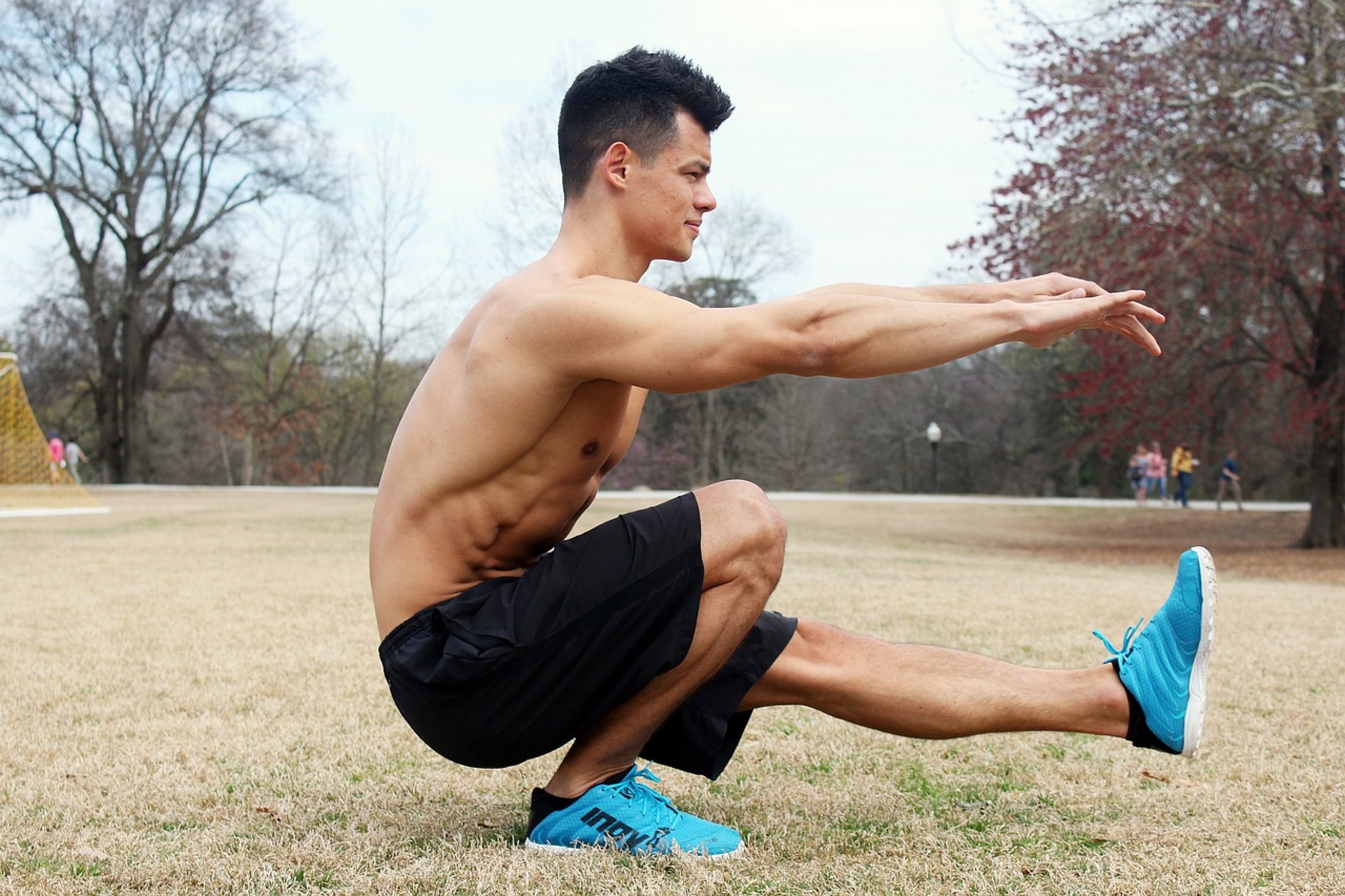
But if you’re looking to strengthen your core, forget it. You won’t get the same amount of core stability with a leg press as you will with free weights. Incorporate this into your workout as an addition for extra volume, not the centerpiece of your plan.
Combine it with compound exercises that makes your whole body work together. You’ll develop real-world usable strength instead of just gym strength when you balance out your training this way. If you use it properly, the leg press can be an excellent exercise.
You can load up on weight for your legs without having to worry about balancing a barbell. But there’s a catch: You have to care for your body when using it. Take your time, start light.
Take care of your joints and someday you’ll be able to squat without pain.
