
If you’re just getting started with kettlebells (or walking in the door at your local gym), chances are it’s going to get real scary when you open that package of new equipment or see all those shiny cast iron bells neatly organized based off their weight. “Which one do I use?” you might ask yourself. There’s an urge to go small, but kettlebell workouts isn’t quite as simple as that.
Too light and you can’t seem to get any momentum behind your move. Too heavy and before you know it, you’ve compromised your form well before completing your first set. You’re not trying to simply move weight.
You’re training a movement pattern for all other exercises in the gym. Kettlebells are all about the swing, and the swing is based on hip hinge mechanics different than pure muscle. Starting with proper weight help the learning process.
It protects your shoulders while teaching your posterior chain to actualy do the work. In the end, how much weight you use will depend on a few factors; namely what you want to focus most of your movements on, as well as your gender and background with training. In general, if you’re just beginning, most recommendations say start with something challenging enough so it’s heavy, but light enough so that proper form isn’t sacrificed.
Beginner Guide to Choosing the Right Kettlebell Weight
Understanding Kettlebell Mechanics
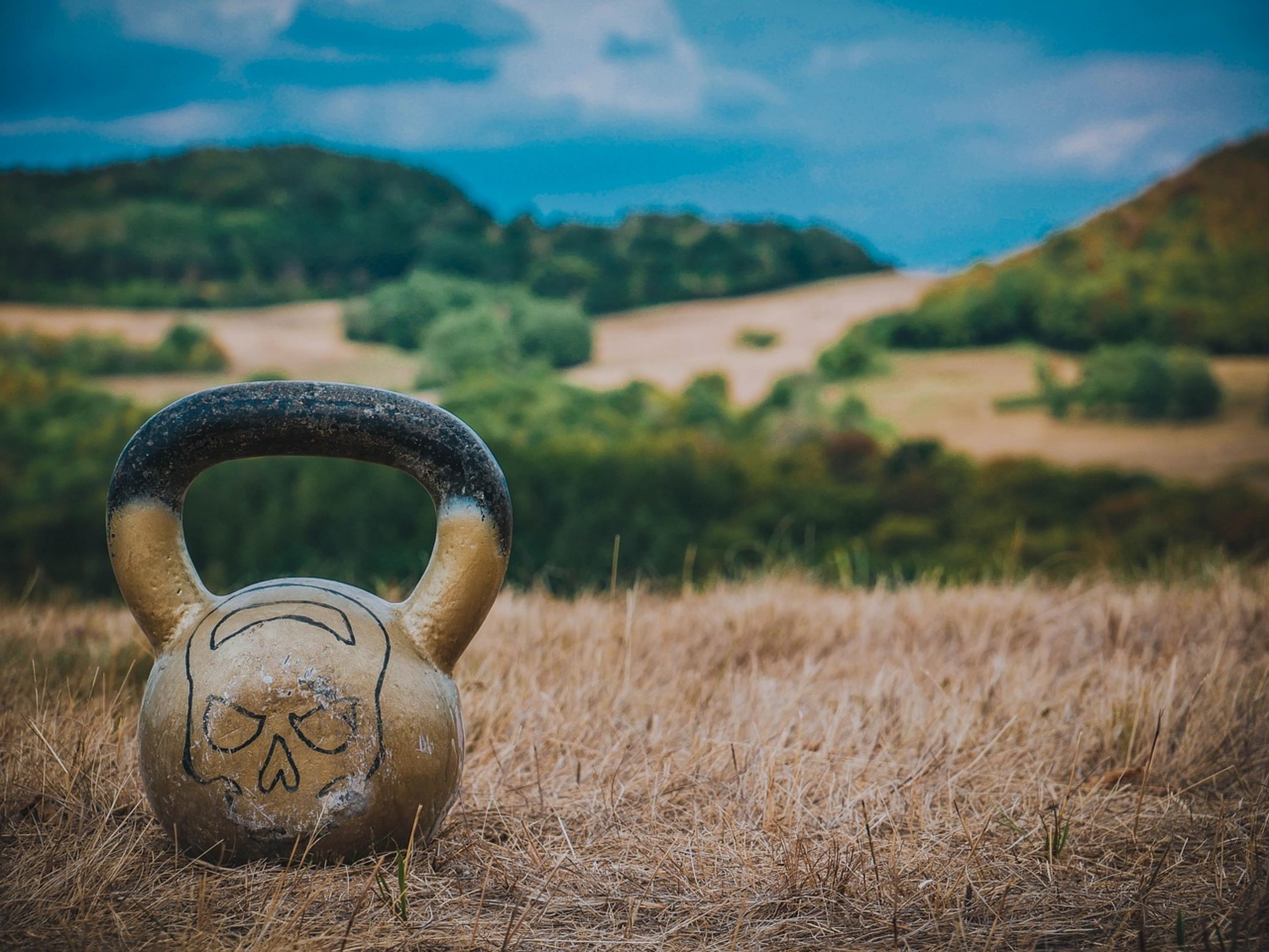
A good baseline for average guys tends toward about 35 pounds. Average girl tend more toward 20 pounds. It’s not carved in stone; these are just great places to start for someone who hasn’t been lifting weights regularly.
Recommended Starting Weights by Gender
These figures change as you become more experienced with lifting and as you become more comfortabley with your bodys current composition. Perhaps you’ve lifted weight before; maybe you’re a powerlifter or a weightlifter. You probably know how to hip hinge naturaly and how to engage your core during each lift.
For those folks, perhaps starting out with a twenty-five-pound bell for women or a forty-pound bell for men would of been more suitable. You want something heavy enough so that it can maintains momentum on its own while swinging back and forth. Otherwise, you’ll find yourself struggling against the physical laws of movement instead of using them to your advantage.
Adjusting Weight for Experience Level
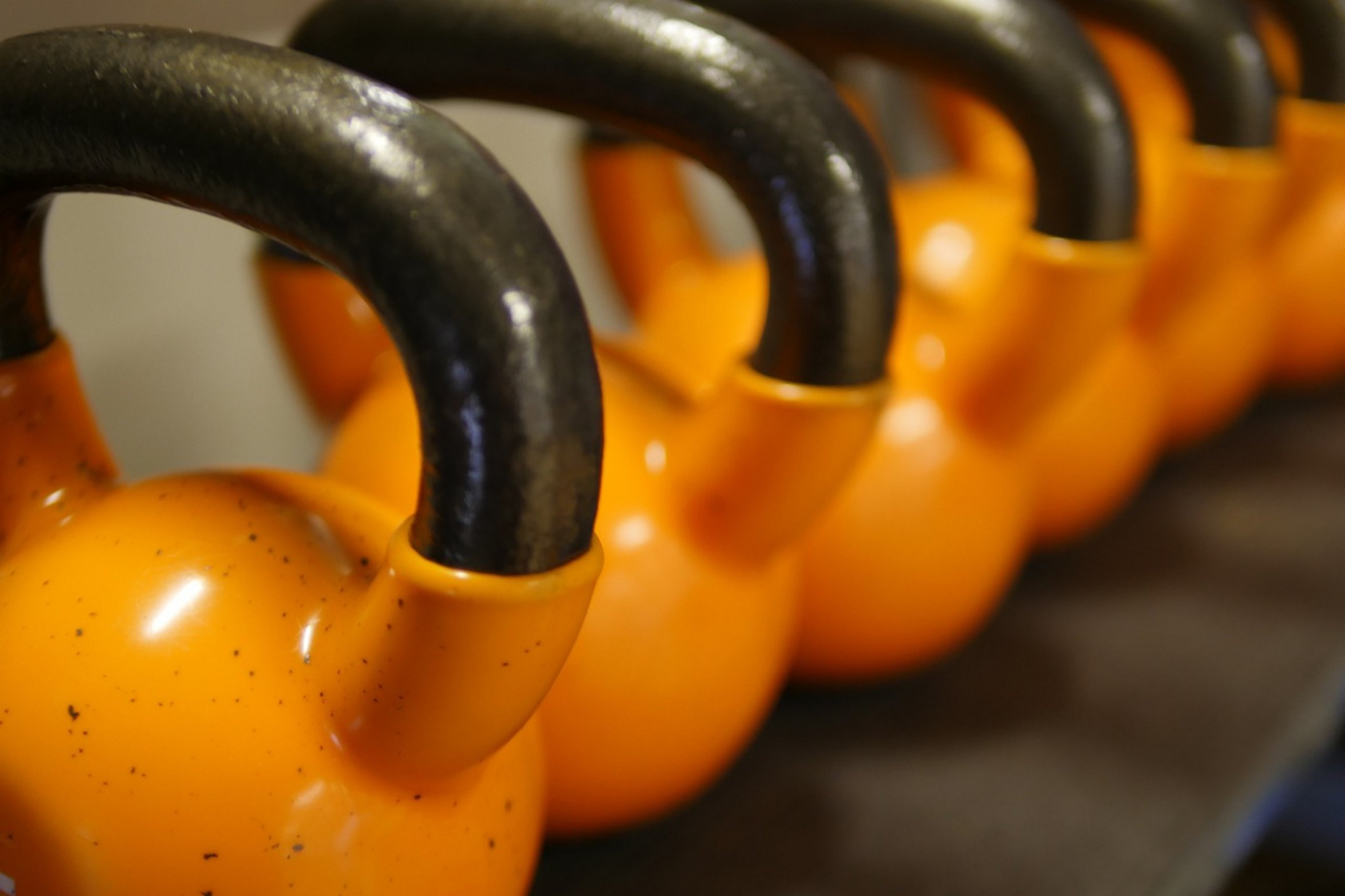
On the other end of that spectrum, if you have joint problems or are fairly new to lifting weights, it’s okay to lean towards the lighter side as well. With a lighter bell, you’re able to completely concentrate on the groove of the move. Your back stays in a straight line, you feel your hips snapping and there’s no weight pulling you off track.
Prioritizing Form Over Heavy Loads
It’s a million times more effective to learn good form using a 20 pound bell instead of grinding out terrible reps with a 40 pounder. You can increases the weight eventually. It’s much more difficult to undo poor habit made from heavy loads.
Choosing the Right Handle Size
Weight plates aren’t the only thing that matters; handle size is equally important. If you choose a bell that’s too heavy for your hands, then you’ll have to spread out your fingers, resulting in less control and balance. If you’re looking for some standardization while still feeling good in your hand, check out Rogue or Dragon Door.
They typically makes handles to fit well across all different hand size. When you have a nice grip on it, you won’t be concerned with losing your hold, allowing you to focus more on your hip hinge. Little things makes a big difference when it comes to how something feel during the workout.
Testing Fit and Checking Muscle Engagement
Before purchasing, try a couple out if possible. Most gym will allow you to swing it a time or two. Note what your lower back experiences.
Is it strained? This means either your form isn’t right or that weight is too heavy for you. You want the weight to pass through your glutes and hamstrings.
If it’s all going on in your arms, then you’re probably pulling with your shoulders (not good) or the bell is too light. That’s what makes the difference between working out productively and wasting your time. The suggested starting weight is based on your gender, take that as base then tweak upward or downward from there.
Underestimating your strength at the beginning of this process is preferable to overestimatng. Your goal is to develop some confidence in the motion before taking on heavier bells. When you find the proper weight, it will challenge you, yet also be within your control.
It will feel like something you’re gaining mastery over rather than something you’re desperately trying to lift. Get started light, get familiar with the swing and let your ability outpace your strength.
