
Gone are the days of having to pay a small fortune for an exercise bike that doesn’t feel like it’s going to collapse under you. These days, thanks to moddern manufacturing, quality feature have moved into the entry-level price bracket. That means if you’re looking for durability rather than fancy screens, you can hit your workouts in comfort of your own home without spending a penny more then usual.
How to Choose Affordable Exercise Bikes
Understanding Budget Bike Trade-offs
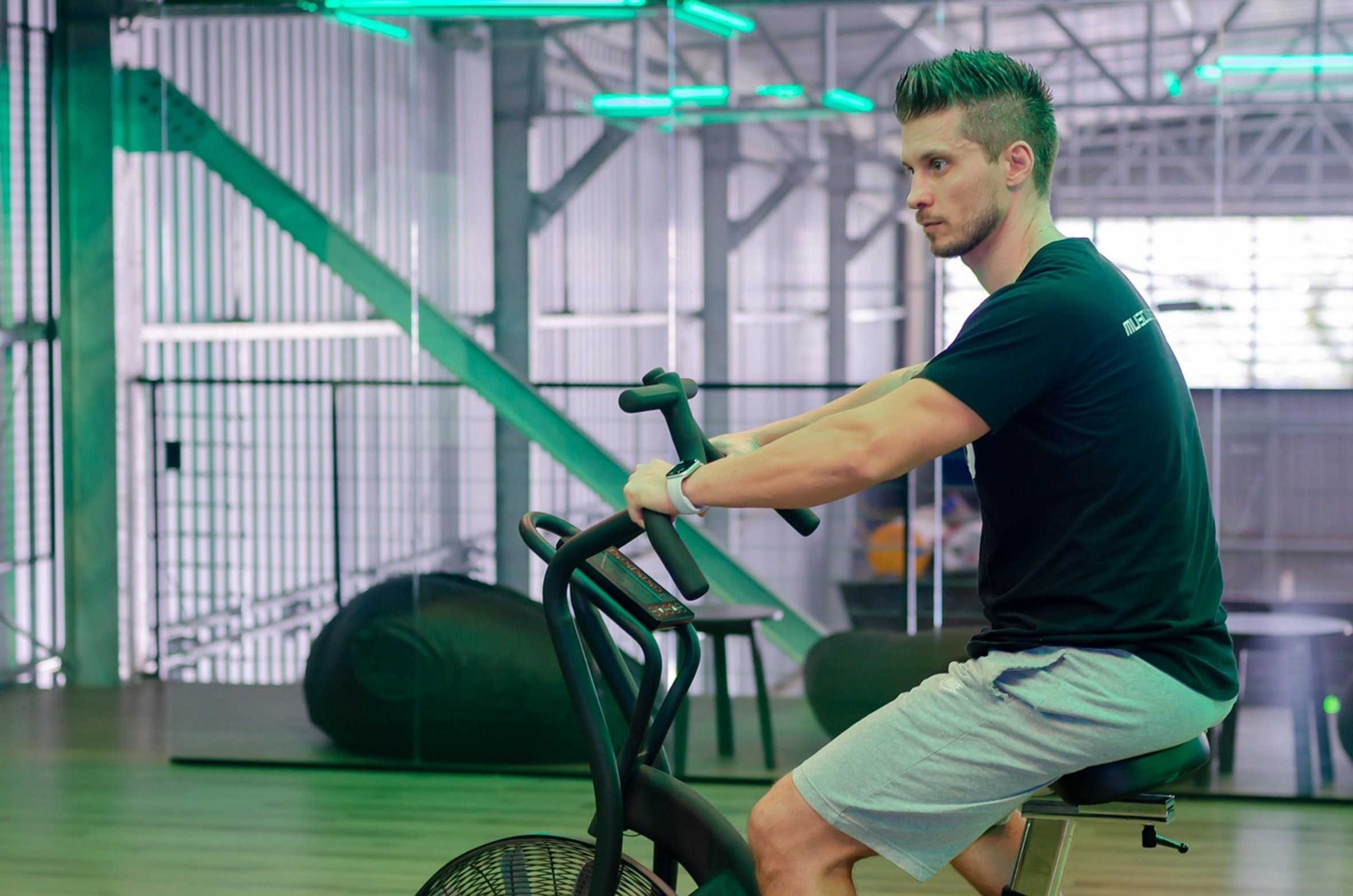
Where do they spends money and where are they cutting corners? That’s what you want to know. Some companies make solid frames that is built on crappy software and other companies skimp on the weight of flywheel to meet a lower price point.
You want the former to avoid but the latter to embrace. A lighter flywheel may be nice on an expensive bike, but it won’t last as long as heavier flywheel on cheap bike. Cycling relies heavily off momentum and when you can’t keep up with the bike it feels more like battling a machine than working out.
The Importance of Flywheel Weight
The first thing to look for in a bike if you’re going to spend less then five hundred dollars is whether it have a flywheel. Flywheel weights store kinetic energy so the motion stays fluid even when you stop pedaling for a split second. A lot of budget bikes has light wheels that will feel choppy.
Try to find a bike that has a wheel that weigh at least thirty-five pounds (that said, many bikes has a very light flywheel but a heavy frame). The choppiness kills the feeling of cycling, making you conscious of what’s happening mechanically instead of how hard you’re pushing.
Magnetic vs Friction Resistance Systems
Next up is the biggie: resistance type. Home bikes typically employ magnetic resistance (it’s silent and doesn’t need any maintenance). To change resistance, use buttons or a dial; the magnets gets pulled tighter or looser toward the flywheel. A friction system rely on a felt pad pressing into the wheel, which means slightly more maintenance and lower production costs.
Magnetic systems is more durable, offer greater precision and allow you to replicate hill climbs without stressing out the hardware.
Frame Stability and Construction
A dangerous bike is a wobbly one: The frame must be stable. Be sure it’s made from good materials. Steel ones are common at this price point and will last as long as their welds are clean. Look for wide foot stabilizers that dampen vibration. Some bikes has adjustable feet so they can be leveled out on an uneven floor.
Stand-on-pedal climbing requires a rock-solid base so you don’t have to worry about tipping over.
Comfort Features: Seat and Handlebars
In the cost analysis, we tend of forget about comfort aspects. The two main part you touch are the handlebar and the seat. Seat: All entry level bikes comes equipped with a hard narrow saddle which is fine for a few miles but will be sore within 20 min. Get one of those gel-cushioned seats from a third party for under $50. It changes everything. Adjustable handlebars are also key. You don’t want to have back pain due to a low handlebar.
Choosing Reliable Established Brands
In this price range, Schwinn, Marcy and York Fitness rule the roost. They’ve been building these things for decades, which means they knows how to source efficienty and their parts is plentiful. Need a new knob? You can find replacements easily because established brands has efficient supply chains. A broken strap? No problem, just pick one up because there’s probably one in stock somewhere. Purchase with an unfamiliar brand? You could save a few bucks now, but when it goes south, you’re out of luck. Warranties from established brands is also legit.
Space Requirements and Storage Options
If you’re considering purchasing one, keep in mind where it will be stored and buy accordingly: Compact bikes such as the Schwinn IC3 fit well in small apartment spaces and can fits underneath most desks when stored. On the other hand, bikes designed specifically to fold, such as the Marcy Brize; may prioritize portability over stability. If at all possible, try testing the frame with your body weight to see how it feels; a bike that’s easy to fold may not withstand aggressive sprinting. Get something stable if you want to ride hard and get something compact if you don’t have much square footage.
Final Buying Advice for Home Workouts
But here’s the bottom line: You don’t have to buy a smart bike to be fit. Get an old-school dumb bike, something with magnetic resistance and a heavy flywheel that won’t break the bank, and it’ll work just fine for years. Spend your money on the mechanics; save the subscription apps for when you’re already hooked on the workout. Build the habit of riding before upgrading the tech. After all, the best bike is the one you actualy use.
