
Ideal Body Weight Calculator for Athletes
Find your sport-specific ideal body weight range and optimal body fat targets based on your sport and performance goals.
Quick Presets:
| Sport Category | Men Optimal BF% | Women Optimal BF% | Primary Goal |
|---|---|---|---|
| Endurance | 5–10% | 12–20% | Power-to-weight ratio |
| Strength | 8–15% | 16–24% | Maximum force output |
| Power / Speed | 5–12% | 10–18% | Explosive performance |
| Team Sports | 8–15% | 16–24% | All-round athleticism |
| Combat Sports | 3–10% | 8–16% | Weight class management |
| Gymnastics | 5–10% | 10–16% | Strength-to-weight control |
| Swimming | 8–12% | 12–20% | Buoyancy and power |
| Sport | Men BF% (Elite) | Women BF% (Elite) | Notes |
|---|---|---|---|
| Marathon Running | 5–8% | 12–17% | Low body mass critical |
| Olympic Weightlifting | 10–15% | 18–22% | Strength per kg class |
| 100m Sprinting | 5–9% | 10–16% | Power and explosive speed |
| Soccer / Football | 9–12% | 16–20% | Speed and endurance mix |
| Swimming (elite) | 8–11% | 14–18% | Some fat aids buoyancy |
| Artistic Gymnastics | 5–9% | 10–14% | Body weight control key |
Athletes has unique challenges with their ideal body weight. Unlike the rest of the population, athletes have different consideration to take into account with calculating their ideal body weight. For athletes, an ideal body weight calculator for athletes consider the various parameter that affect their performance on the field and recommend an ideal body weight for them.
Most suggestion for the ideal body weight dont take into account the physical demand of various sports. For instance, a weight that would be ideal for a desk job worker may not be suitable for an endurance athlete. Power athletes require more body weight for better physical performance, while endurance athlete would require a lower body weight to improve there performance. Considering the demands of the sport that an athlete perform in is half the battle to determining their ideal body weight.

Why Standard Ideal Body Weight Formulas Fall Short for Athletes
Body composition standard that are published in general reference tables, such as the Metropolitan Life Insurance tables, dont account for muscular athletes’ lean body mass. Such a formula can classify muscular athletes as overweight, which is incorrect and potentially harmful to the athlete due to the implication of such a classification.
Athletes has more lean body mass than non-athletes. The ideal body weight calculation that take into account an athlete’s height, gender, body mass, and the demands of the sport that they perform in are better at calculating their ideal body weight than the standard formula.

Body fat percentage is another essential component of calculating the ideal body weight for athletes. Every sport has an ideal body fat percentage requirement. Too little body fat can adversely affect the athlete’s health. Too much body fat negatively impact the athlete’s physical performance in their sport. Endurance athletes need lower body fat percentage than strength athletes.
To determine the ideal body weight for athletes, one can calculate their lean body mass first. Knowing the percentage of body fat that is ideal for their sport, their ideal body weight can then be calculated. The Boer formula, which takes into account the weight and height of the athlete, works better for athletes than other formulas for body composition. Once they have calculated their lean body mass, the ideal body weight can then be determined based on their ideal body fat percentage for their sport.
Ideal body weight for athletes may be calculated as a range rather than an ideal body weight. As athletes fluctuate with time and performance level in their sport, an ideal body weight calculator for athletes should calculate an ideal weight range that accounts for this fluctuation.
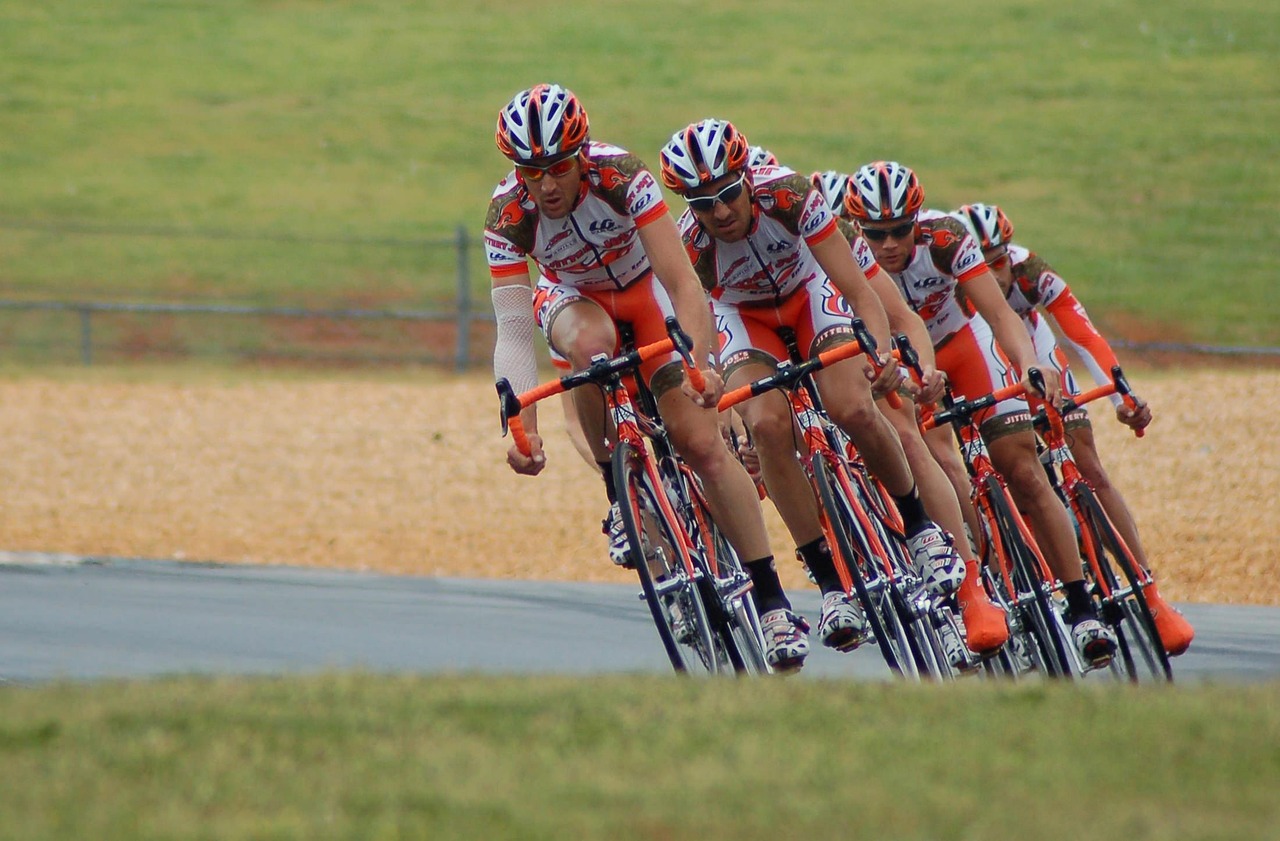
Endurance athletes like runners, cyclists, and triathletes have low body fat percentage as part of their ideal body composition. Combat sports athletes have to account for their body weight for their competition, but also have enough strength and energy to compete in their sport. Team sports athletes has a balance of physical attribute, which makes their ideal body fat percentage somewhere in the middle of the range for body fat percentages. Finally, gymnasts and swimmers has different physical demand on their bodies, which creates different ideal body weight for these sports.
Knowing the athlete’s current body weight and comparing it to their ideal body weight calculated for them can help them to understand whether they should focus on gaining more body weight and muscle mass to improve their performance, or if they need to lose some weight.
Seasonally, many athletes have higher body fat percentage outside of their competitive season. Their body fat percentage decline as their competitive season draws near due to increased training. The ideal body weight calculator should account for this fluctuation of body fat percentage and physical performance.
An athlete’s weight may be the most important measurement of their body composition, but it is not the only one. In terms of physical performance, an athlete may have to adjust their focus on their body weight if their training or season requires a shift in body weight. For example, an athlete who is gaining strength may be gaining some weight, which is beneficial to their performance on the field. If the athlete focus on their body weight to the point where they lose strength in their muscles, that would be detrimental to their sport. Seasonal fluctuation in body weight and strength can be accounted for by calculating an ideal body weight that accounts for this natural fluctuation. Such an ideal body weight calculator would serve as the best tool for measuring an athlete’s ideal body composition for their sport.
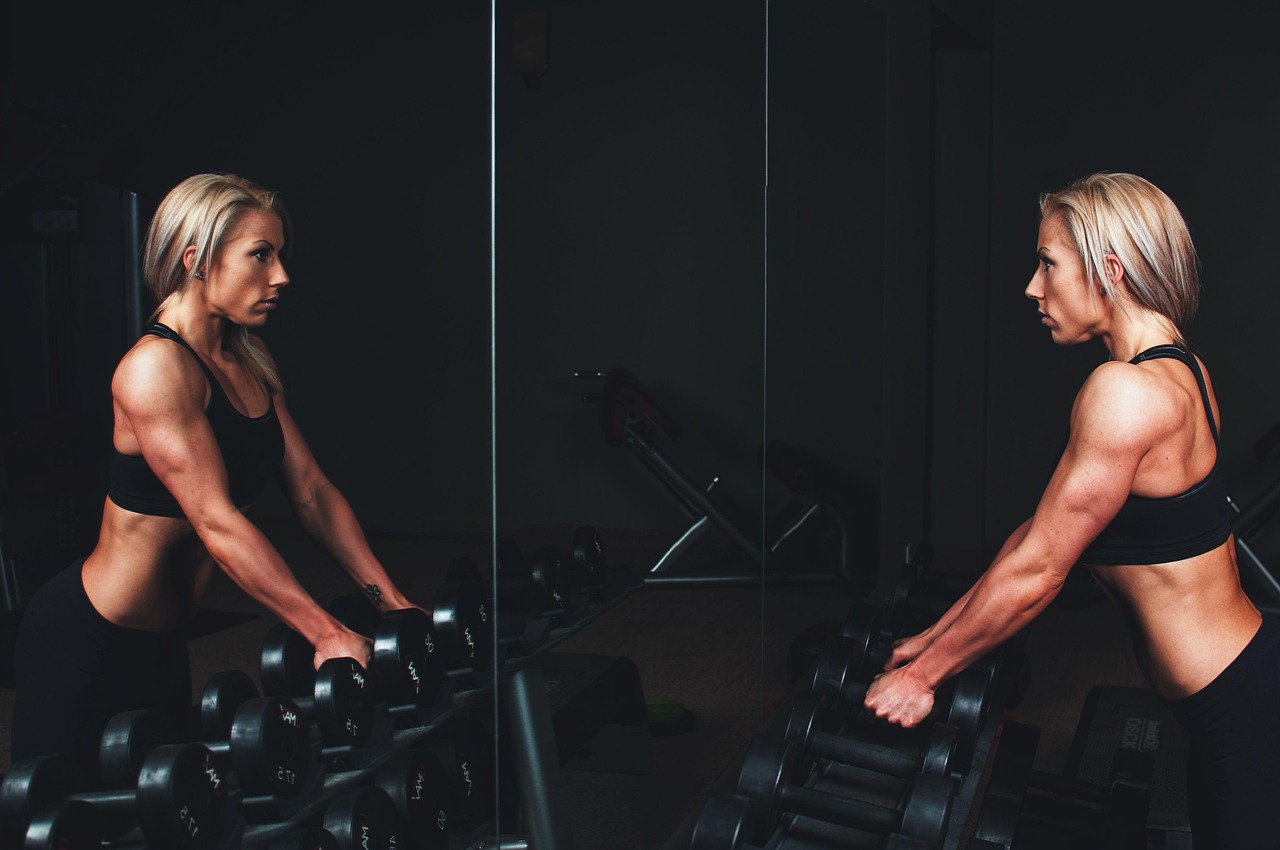
Athletes may desire a specific body weight. However, focusing on body weight without regard to the body composition can lead to a loss in the athlete’s physical power, their recovery ability from competitions, and the strength of their muscle that are required for their sport. An athlete who is losing strength or whose physical power decline without a reason may have an issue with their body composition that should be fixed. Athletes need to gain adequate strength and strength gain should be done at a rate of between 0.5% and 1% of their body weight per week so as to have the best performance in their sport. An athlete’s body composition is influenced by their genetics and their physical body structure. Two athletes in the same sport, of the same height and age, may have different ideal weight due to the different structure of their bodies. Working with a coach who understand the body composition calculation of their ideal body weight is of the greatest benefit to the athlete.
Beyond just the body composition calculation of their ideal body weight for athletes, the athlete can also use such a calculator to determine their ideal body weight for their sport in terms of performance. Such an ideal body weight calculator is not simply a tool that should be used to determine the athlete’s body weight but a tool that can help them to have peak physical performance for as long as possible.
While the ideal body weight calculator for athletes are estimated based upon the body composition of athletes of the same age, gender, height, and even sport, the body composition of the individual athlete may fluctuate accordingly. Therefore, monitoring and adjusting the athlete’s physical composition and performance ability will ensure that the ideal body weight calculator is always working in the athlete’s benefit.
An ideal body weight for athletes calculated in this manner will allow an athlete to avoid the pitfalls of attempting to lose or gain weight with strict diet and regimes that might work for others but do not necessarily work for the athlete themselves. This calculated ideal body weight will work to improve the athlete’s body composition and physical performance in their sport, if focused upon as a goal for those athlete who wish to compete in various competition and maintain their success in their sport over the years.
