
Proper hydration is an requirement for athletic performance due to the fact that dehydration can lead to a decrease in the performance of athletes. If an athlete dont maintain proper hydration, they may feel fatigued during their training session, and if they do not maintain proper hydration, they may experience a decrease in their focus during training. Proper hydration impact the rate at which an athlete can recover from their workouts, as well as the steadiness of their focus during their workouts.
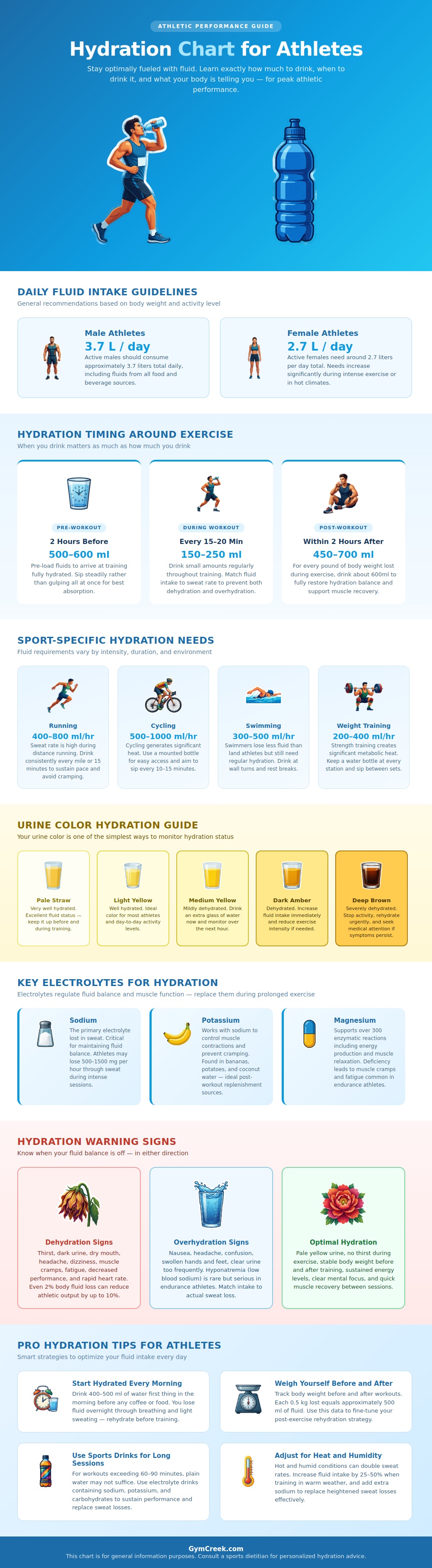
The provided chart provide the fluid target that an athlete should consume daily according to their sex and their level of physical activity. These targets are important because they include the fluids that an athlete consumes through their food. While many athletes believes that proper hydration is only important during their training sessions, establishing a baseline fluid intake is essential prior to beginning training.
How Athletes Should Stay Hydrated
If an athlete begins their day with low fluid level, it will not be enough fluid to offset the dehydration caused by low fluid levels at the beginning of the day. Therefore, an athlete should load fluids well before training, continue to replace fluids in small doses during training, and restore the fluid balance that the athlete lost after training is complete. One way to monitor proper hydration levels is through the use of a scale.
An athlete can weigh themselves prior to and after their training session. By doing so, the athlete can determine how much fluid the athlete lost during training. For every 0.5 kg of fluid lost, the athlete should consume 0.5 liter of fluid.
By using this method, an athlete can easily determine the amount of fluid that the athlete needs to fully replace the fluid lost during that particular workout. Additionally, if an athlete tracks their weight regularly, their body can begin to recognize the pattern in which they lose fluids during workouts of certain type, allowing those athletes to adjust their fluid intake based off the type of workout that they are to perform. Not all sports require the same amount of fluid intake as other.
Because each sport has different fluid demands, the chart provide specific fluid targets for each type of sport. For instance, running require more fluid intake than other sports due to the distances that are often run during a game or session, while sports like cycling allow for more even fluid intake due to the abilities of athletes to access water at all times during a game. Swimming can make it difficult to lose fluid due to the fact that an athlete is surrounded by water while performing their sport, but fluid is still lost through sweating while swimming.
Lastly, strength training session require less fluid intake than sports like running, but still require the presence of a water bottle nearby due to the amount of heat that is created during these types of workouts. An additional way to determine proper hydration levels is by assessing the color of an athlete’s urine. If an athlete’s urine is pale and straw-colored, they are properly hydrated.
However, if their urine is dark and brown in color, they is dehydrated. Additionally, if an athlete’s urine is too clear, they may be drinking more fluid than their body require, which can also create issues during long training efforts. By assessing the color of their urine in the morning and afternoon, athletes can ensure that their hydration levels are corrected should their urine be too dark.
Three electrolyte that are important during training sessions of longer than an hour are sodium, potassium, and magnesium. Sodium is essential for the body to retain the fluids that the athlete consumes, potassium is important for proper muscle function, and magnesium aid the body in producing energy and avoiding muscle cramps. The athlete can replace each of these electrolytes by consuming foods that contain these element or by drinking electrolyte-based drinks, as they lose these electrolytes in large amounts during exercise.
Athletes who are dehydrated may experience a decrease in their ability to perform to their full power, as well as decreased ability to make decisions during competition. Such signs of dehydration can be mistaken for normal fatigue, but are actualy an indication of the athlete’s need to drink fluids. Overhydration of athletes is also a problem, as overhydration can occur if athletes only drink fluids at a fixed schedule rather than according to the amount of fluid that they have lost during their training.
An athlete can improve their hydration by developing a few small habit each day. For instance, athletes should drink a glass of water upon waking to replace the fluid that they lost during sleep. Additionally, athletes should increase their fluid intake on days when the weather is hot or humid.
During long training sessions, athletes should drink electrolyte-based drinks rather than water to retain their sodium levels. By incorporating these small habit, athletes will find that they are recovering from their workouts more clean, and feeling less drained after those workouts are over.
