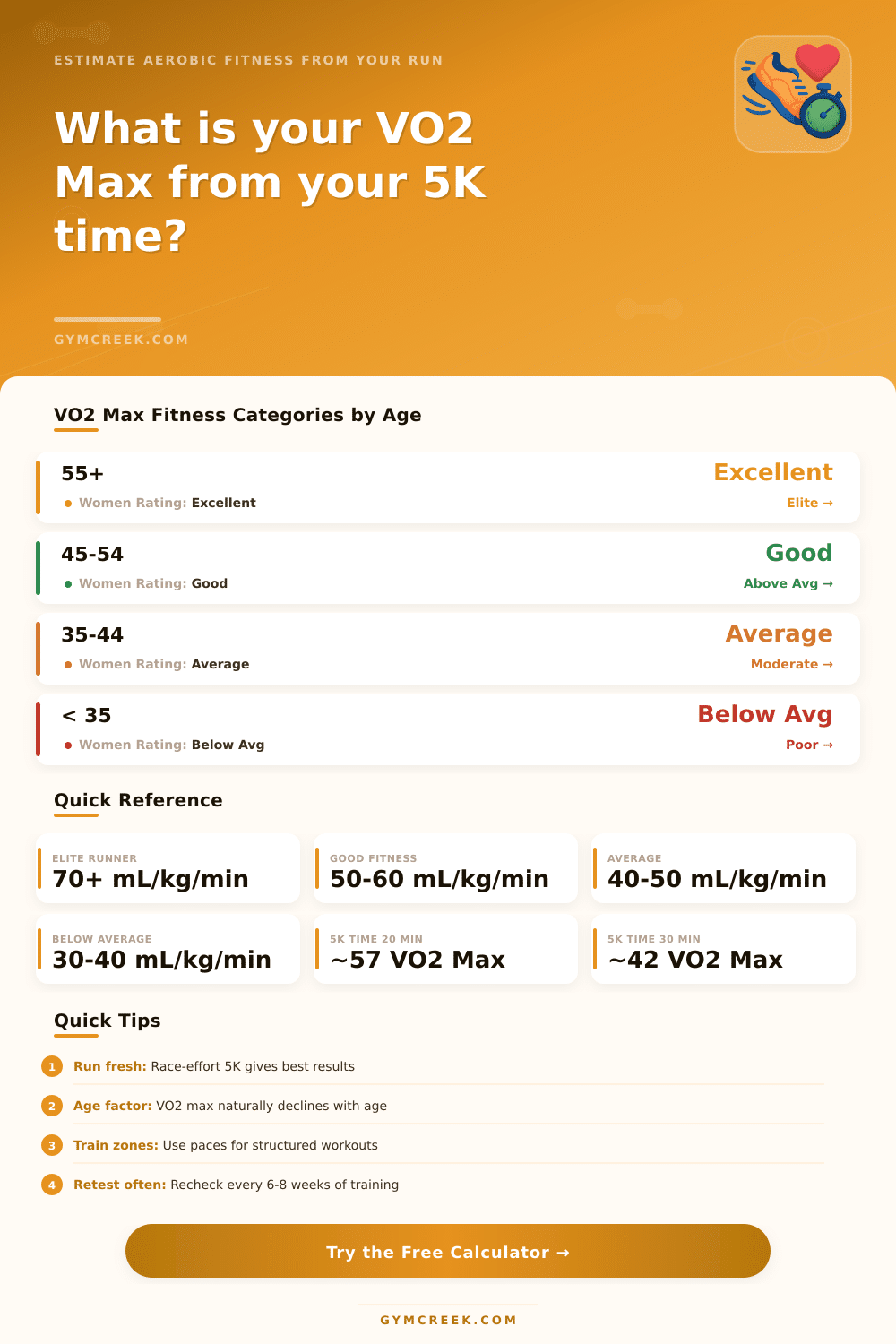
🏃 VO2 Max Calculator — 5K Time
Estimate your aerobic fitness level and training paces from your 5K race time
| Distance | Predicted Time | Pace (min/mile) | Pace (min/km) |
|---|---|---|---|
| 1 Mile | — | — | — |
| 5K | — | — | — |
| 10K | — | — | — |
| Half Marathon | — | — | — |
| Marathon | — | — | — |
| 5K Time | VDOT | VO2 Max | Category |
|---|---|---|---|
| 14:30 | 75 | 75.0 | Elite |
| 15:30 | 71 | 71.0 | Elite |
| 16:30 | 67 | 67.0 | Excellent |
| 17:30 | 63 | 63.0 | Excellent |
| 18:30 | 60 | 60.0 | Excellent |
| 19:30 | 57 | 57.0 | Good |
| 20:30 | 55 | 55.0 | Good |
| 22:00 | 51 | 51.0 | Above Average |
| 24:00 | 47 | 47.0 | Average |
| 25:00 | 45 | 45.0 | Average |
| 26:00 | 43 | 43.0 | Average |
| 28:00 | 40 | 40.0 | Below Average |
| 30:00 | 38 | 38.0 | Below Average |
| 33:00 | 34 | 34.0 | Poor |
| 36:00 | 31 | 31.0 | Poor |
| 38:00 | 29 | 29.0 | Poor |
| 40:00 | 28 | 28.0 | Poor |
| 43:00 | 26 | 26.0 | Very Poor |
| 46:00 | 24 | 24.0 | Very Poor |
| 50:00 | 22 | 22.0 | Very Poor |
| Zone | % VO2 Max | min/mile | min/km |
|---|---|---|---|
| Easy / Recovery | 65–79% | — | — |
| Marathon Pace | 80–90% | — | — |
| Threshold (Tempo) | 83–88% | — | — |
| Interval (VO2 Max) | 97–100% | — | — |
Understanding your aerobic capacity is one of the more valuable insights any runner can have. VO2 max, which is a measurement of the amount of oxygen your body can utilize while performing intense exercises, is one of the best indicator of your cardiovascular fitness. For runners who compete in 5K race, VO2 max is a valuable metric for understanding your performance in the race.
Regardless of whether you are a seasoned competitor in the 5K race or a recreational runner who enjoys the 5K for fitness reason, knowing your VO2 max can help you understand your fitness level and how you may be able to improve in the future. One method for calculating VO2 max for 5K runners is through the VO2 max calculator 5K, which uses your 5K race time and other biometric data about yourself to calculate your VO2 max using formulas that researchers have established over time through research in the field of exercise science.
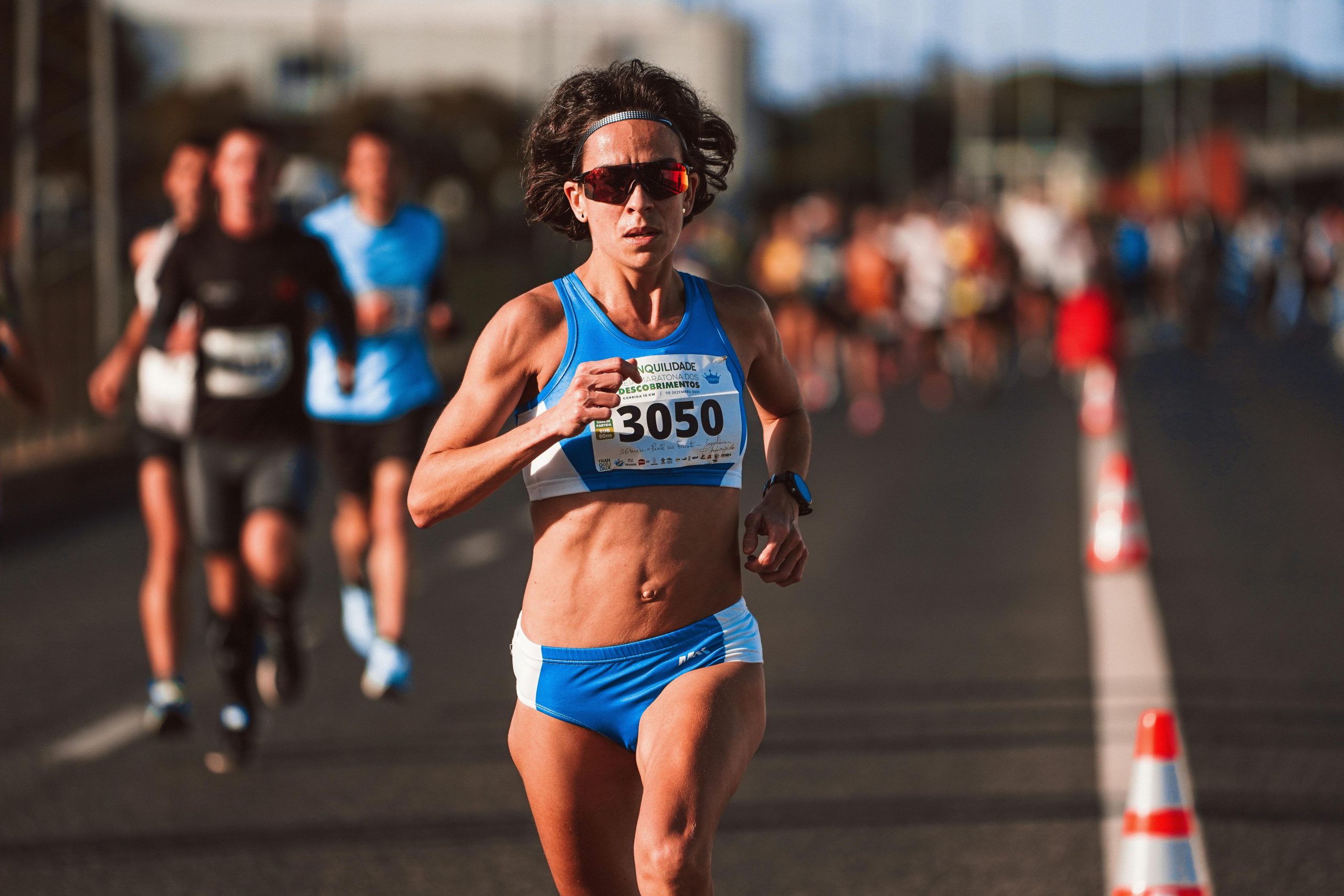
VO2 Max Calculator 5K Insights for Runners
What Exactly Is VO2 Max and Why Does It Matter for 5K Runners?
VO2 max is measured in units of ml of oxygen per kg of body weight per minute (ml/kg/min). Elite distance runners can have VO2 max ratings of 70 or higher. Well-trained recreational runners typically have VO2 max ratings of between 45 and 55. For 5K runners, VO2 max can help provide insight into your running performance with higher value indicating greater efficiency in utilizing the oxygen that your body takes in with each breath, which allow runners to maintain faster rates for longer distances.
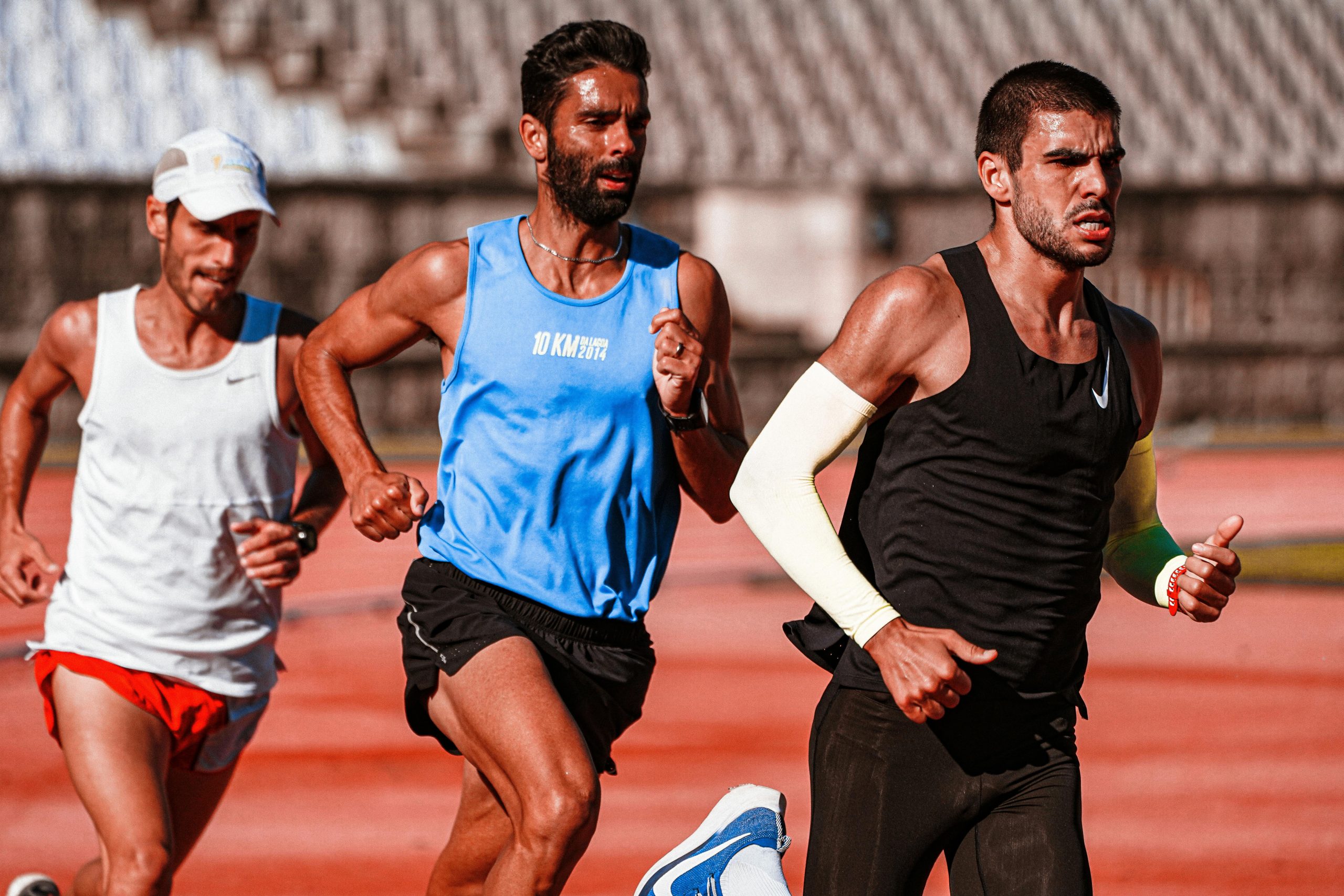
Using your 5K time to calculate your VO2 max is beneficial because most runners can complete at least one 5K race in a year without having to devote significant effort to improving their 5K race times. Additionally, because 5K race efforts are a marker of aerobic fitness, many 5K coaches use an individual’s most recent 5K race as a measurement of their VO2 max.
Knowing your VO2 max allows runners of any level to understand how their body performs during exercise, as well as to understand the various ways in which they can improve their VO2 max. Studies have found, for instance, that most individuals can improve their VO2 max by as much as 15% through specific training efforts. Additionally, beginners often experience a more significant increase in their VO2 max compared to seasoned 5K runners.
Genetics and age have a significant impact upon your VO2 max levels, but there are other factors that have a significant impact upon your VO2 max as well. For instance, VO2 max ratings tend to decline with age at a rate of about 1% per year after individuals reach the age of 30. However, runners who consistently train at high levels each year can significantly slow the decline in their VO2 max ratings.
Individuals with high VO2 max ratings have the strength and capacity to utilize oxygen efficient. As a result, men typically have higher VO2 max ratings than women due to there higher muscle and hemoglobin levels. However, women have remarkably efficient VO2 max ratings when calculated to allow for the differences in the physical make-up of men and women runners.
The various training paces that an individual runners during 5K races relate to their VO2 max ratings. By understanding these relations, runners can better understand at what intensities they should be training to maximize improvements to their 5K times.
Runners can improve VO2 max by incorporating intervals into training for 5K distances. Intervals of 3 to 5 minutes at a hard effort with equal recovery period have been shown to be the most effective means of improving an individual’s VO2 max. However, too much interval training at high intensities can have a limiting effect upon an individual’s ability to continue to improving their VO2 max.
Rates of 18 minutes or less for a 5K race indicate excellent aerobic fitness for the runner. Most recreational 5K runners consider times of 20 minutes or less for a 5K race to be impressive.
While VO2 max is important in determining an individual’s 5K running performance, it is just one of a variety of factors that contribute to that performance. Factors like running economy, lactate threshold, and mental strength all play crucial role in 5K race performance.
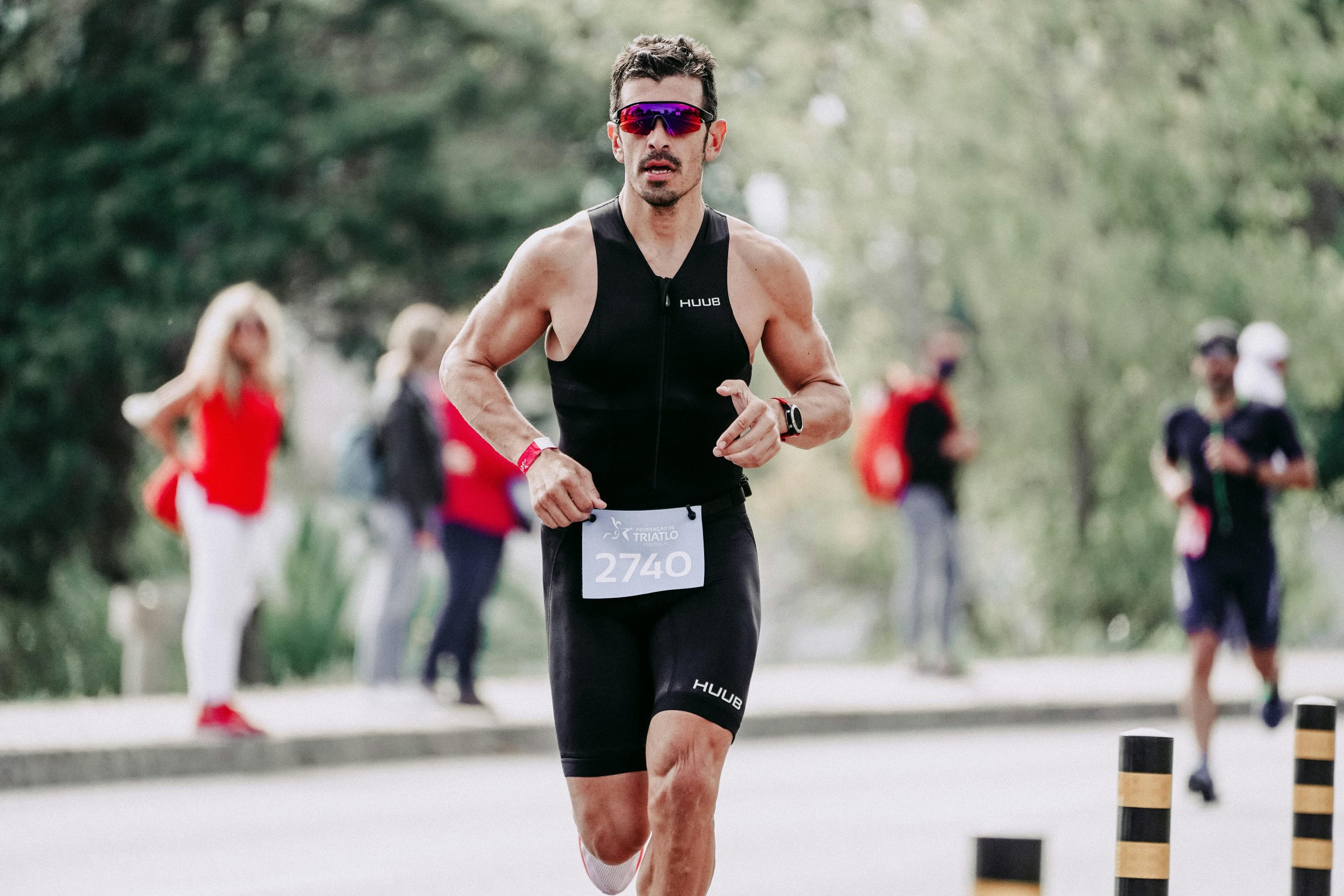
For most runners, obsessing over their VO2 max ratings is more important than understanding the metric themselves. While improving an individual’s VO2 max will lead to improvements in their 5K performance, the most important factor for runners is to utilize this information to make training decisions.
Environmental factors can have an impact upon both 5K race times and VO2 max measurements. Factors like heat, humidity, altitude, and even the terrain of the 5K race can all have significant impacts upon both variables. As a result, individuals should ensure that they measure their 5K race times and VO2 max ratings under similar conditions to provide the most accurate measurements of improvements in their 5K performance over time.

The VO2 max calculator 5K is a helpful tool for runners to understand their VO2 max, as is the calculator provided above. Use of the VO2 max calculator 5K allows runners to understand the relationship between 5K times and VO2 max, as well as to use that information to make training-related decisions. While VO2 max is only a part of the equation for 5K runners to master their distance, incorporating interval training into 5K runners’ programs can help them improve their overall performance over time.
To improve VO2 max and 5K race times, runners must incorporate specific training into their program. Beyond improving the specific 5K race times, runners can also accomplish improvements in overall health and performance in other races by ensuring that training programs are developed with care and consistency.
The science behind VO2 max and 5K running can help runners of all levels to understand their bodys capabilities. By understanding these aspects of 5K performance, runners can train better and achieve impressive results in their 5K races. Additionally, these efforts can translate to benefit for the runners health overall.